
Overview
The Consumer Price Index (CPI) is designed to measure the average price changes of a fixed basket of consumption goods and services commonly purchased by resident households over time. It measures price movements (i.e., changes in prices) but not absolute price levels at a point in time.
The CPI is used as:
• A measure of consumer price inflation
• Inputs in the formulation of government policies
• As a means of deriving real values in the compilation of economic statistics
Our Data Explained
The CPI is designed to measure the average price changes of a fixed basket of consumption goods and services commonly purchased by resident households over time. It measures price movements (i.e., changes in prices) but not absolute price levels at a point in time.
Glossary
All Items (Consumer Price Index)
Highest level of the Consumer Price Index (CPI), containing all the divisions, groups and classes.
Average Retail Prices
Average retail prices are estimated based on the price quotes obtained from retailers and service providers as part of the monthly collection of consumer prices and converted to a fixed unit of measurement (e.g., price per 100g, per litre, per plate).
Base Year
The base year is the period with which all the other periods are compared. The base year for the current Consumer Price Index (CPI) is 2024 and the index for 2024 is set equal to 100 points.
Consumer Price Index
The Consumer Price Index (CPI) is designed to measure the average price changes of a fixed basket of consumption goods and services commonly purchased by resident households over time. It is widely used as a measure of consumer price inflation.
CPI Weights
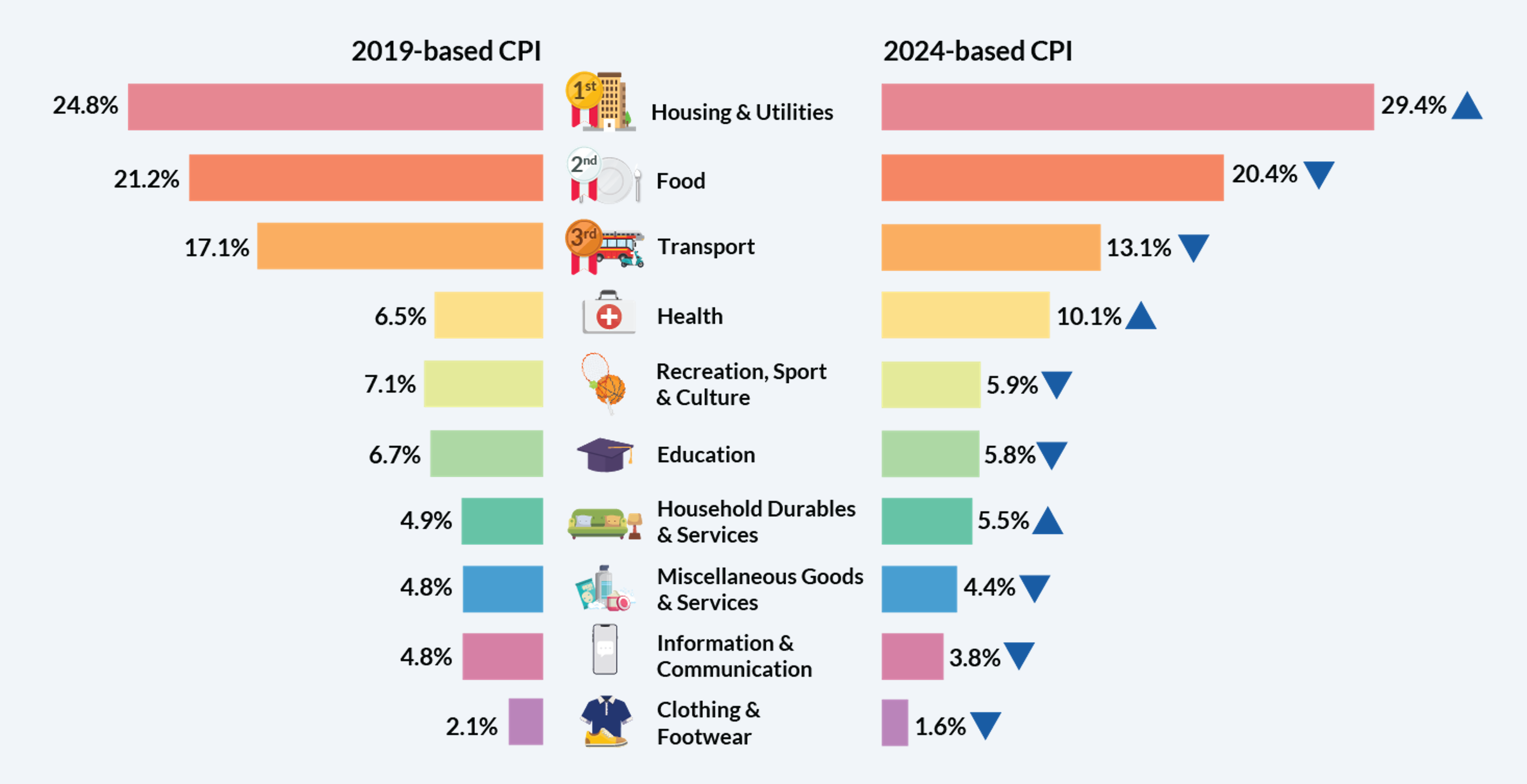
The measure of the relative importance of each good or service in the basket, that is, their share as a proportion of total household expenditure.
Household
A household refers to:
- a group of two or more persons living together in the same house and sharing common food or other essential arrangements for living; or
- a person living alone or a person living with others but having his own food or other essential arrangements for living.
Although persons may be living in the same house, they may not be members of the same household.
Household Income Group
Household income group categorises resident households by their monthly household income from all sources (including Imputed Rentals for Housing) per household member.
Imputed Rentals for Housing (Consumer Price Index)
Imputed Rentals for Housing reflects the costs to homeowners of utilising the flow of services provided by their homes over an extended period of time. Given that the cost of using housing services is not directly observed for homeowners, it is computed based on the imputed rental concept under the rental equivalence method, i.e. proxied by market rentals of similar properties.
This provides an estimated rental value for the owned home, as though the homeowner were renting it from themselves. Imputed rentals have no impact on the cash expenditures of most households in Singapore as they already own their homes.
Inflation
A term commonly used to refer to changes in price levels over a period of time. The annual inflation rate for any year is computed by taking the ratio of the CPI for the current year compared with that of the preceding year.
Percent Change in Consumer Price Index
This measures the change in CPI between two periods. For example, the annual inflation rate for a specific year is computed by comparing the average for the 12 monthly indices with that for the preceding year.
Price Change (Consumer Price Index)
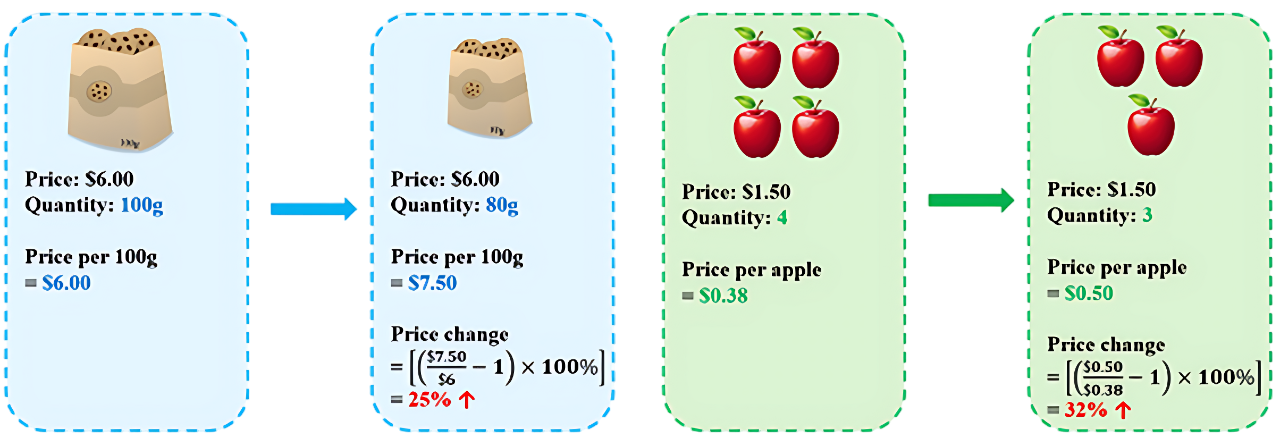
The change in the price of a good or service of which the characteristics are unchanged; or after adjusting for any change in quality.
Price Index
A composite measure of the prices of items expressed relative to a defined base period.
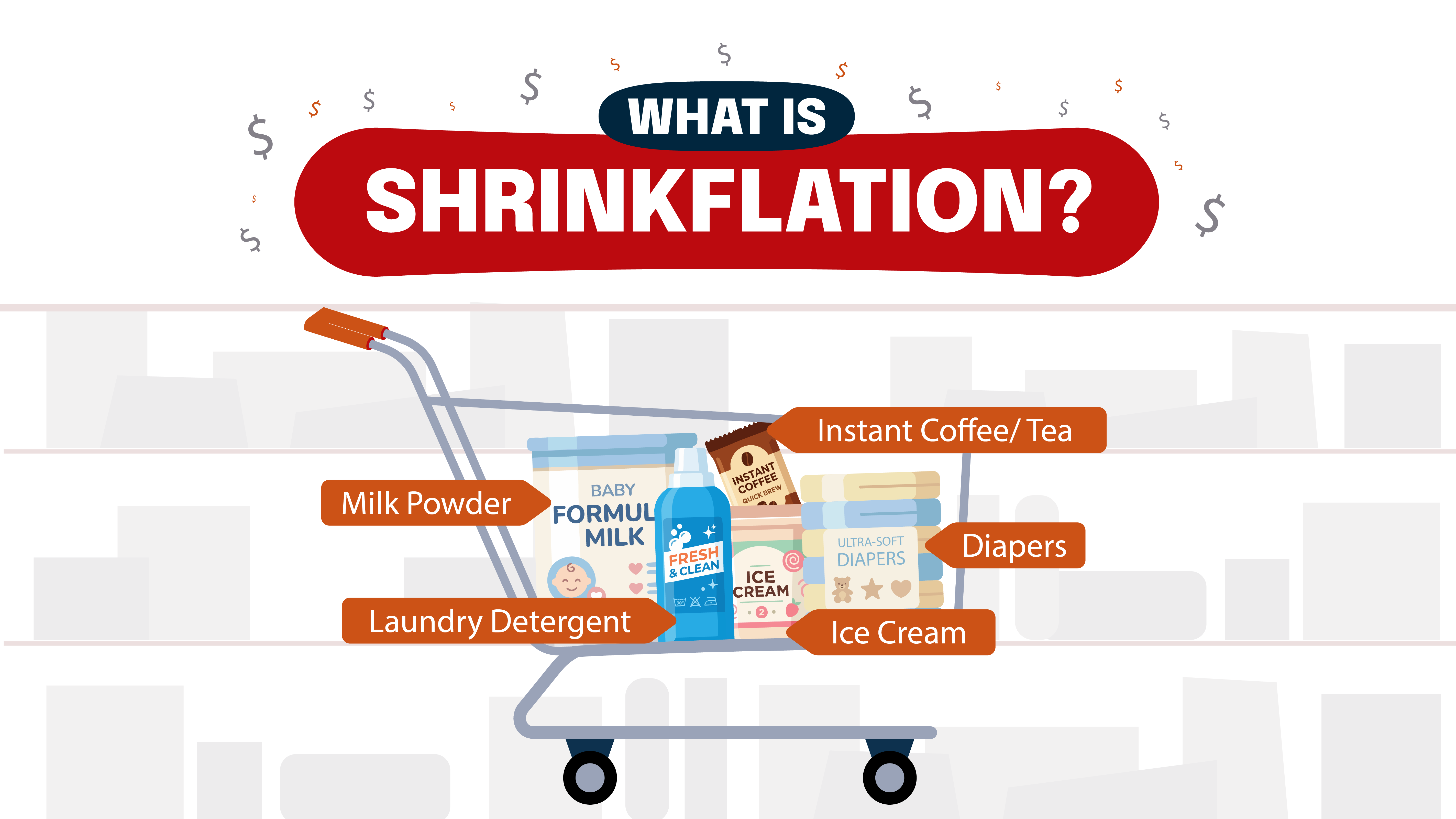
What is Shrinkflation?
An explanation of hidden price increases with examples of products most affected by shrinkflation, and how it is accounted for in the Consumer Price Index.

Why Does the Reported Inflation Differ from My Personal Experience?
This infographic explains why personal experiences with price changes may differ from the reported inflation.
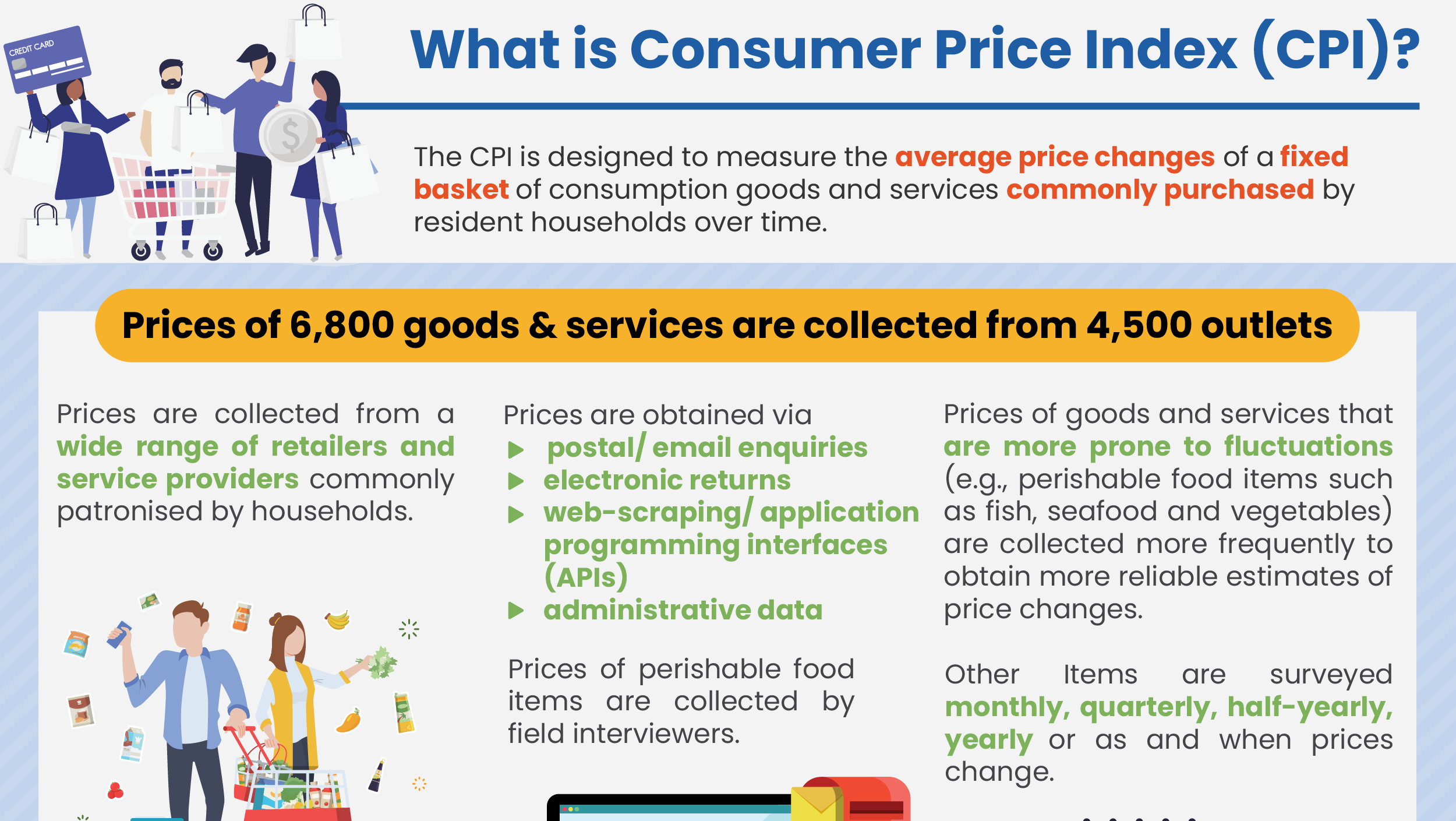
What is Consumer Price Index?
This infographic provides an overview of the Consumer Price Index (CPI).
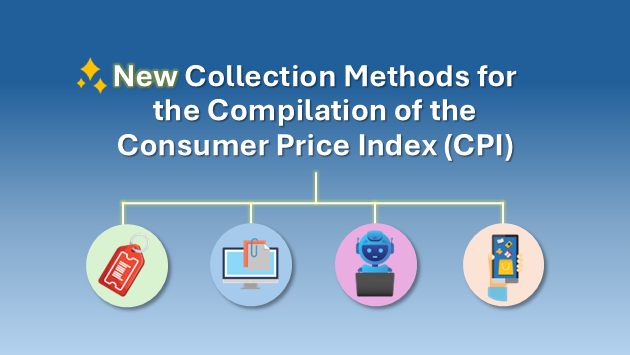
New Collection Methods for the Compilation of the Consumer Price Index
This infographic summarises new data collection methods adopted for the compilation of the CPI, leveraging the use of technology and broader data sources.
Price Changes and the Consumer Price Index
This video explains why personal experiences with price changes may differ from the reported inflation.
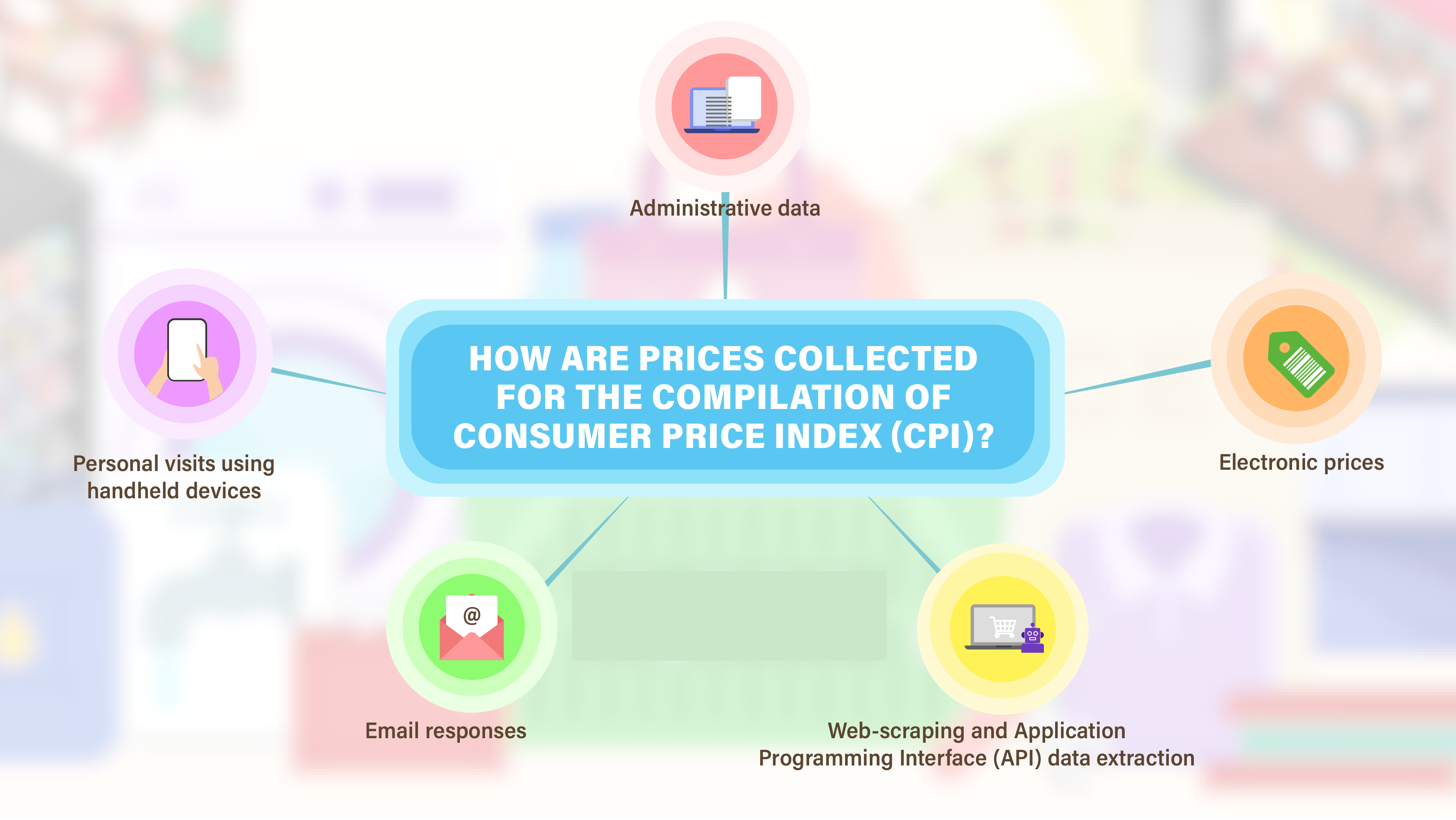
How are Prices Collected for the Compilation of Consumer Price Index?
This video highlights how prices are collected for the compilation of the CPI and how the changes in quantity are accounted for, including ‘Shrinkflation’.