Overview
Measurement of Household income, savings and wealth.
The quarterly household sector balance sheet provides information on assets and liabilities held by Singapore’s household sector at a particular point in time (i.e., as at end-of-period).
Singapore’s household sector balance sheet is compiled in accordance with the principles and recommendations set out in the United Nations’ publication on “System of National Accounts, 2008” (SNA). These estimates are compiled largely from administrative and survey sources using aggregate data from firms and institutions at the economy-wide level.
Personal disposable income measures the income (e.g., compensation of employees, self-employment income) of the personal sector (i.e., households and non-profit institutions serving households), after accounting for net investment income received (e.g., interest and dividends), net current transfers received (e.g., CPF top-ups and donations) and personal income tax paid.
Our Data Explained
Singapore’s household sector refers to all household institutional units that have engaged in economic activities in Singapore for at least a year, including:
- Singapore citizens
- Permanent residents
- Foreigners
- Unincorporated enterprises (e.g., sole proprietorships)
Glossary
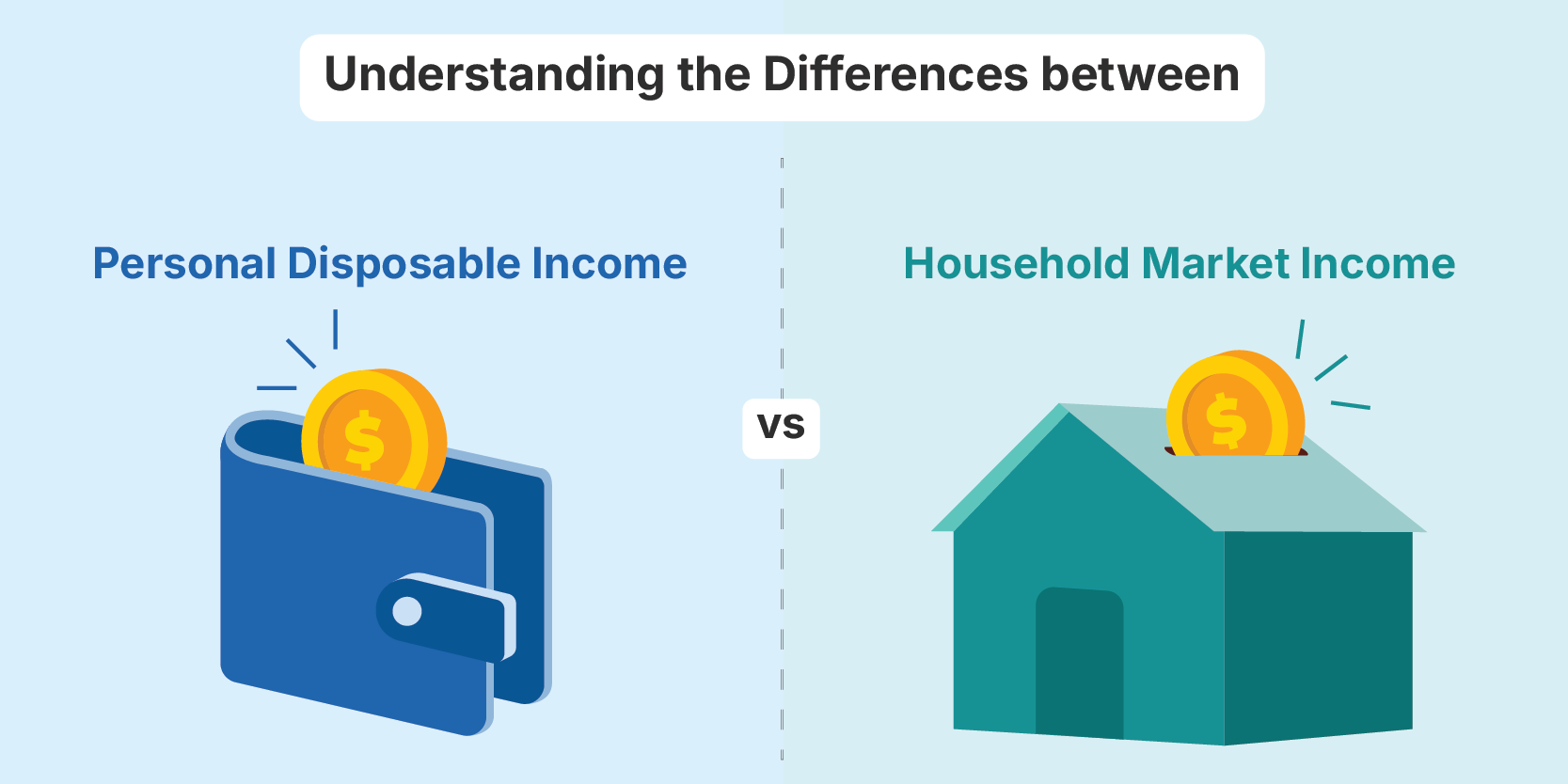
Understanding the Differences between Personal Disposable Income and Household Market Income
A graphical guide on the key distinctions between Personal Disposable Income and Household Market Income, covering purpose and methodology.
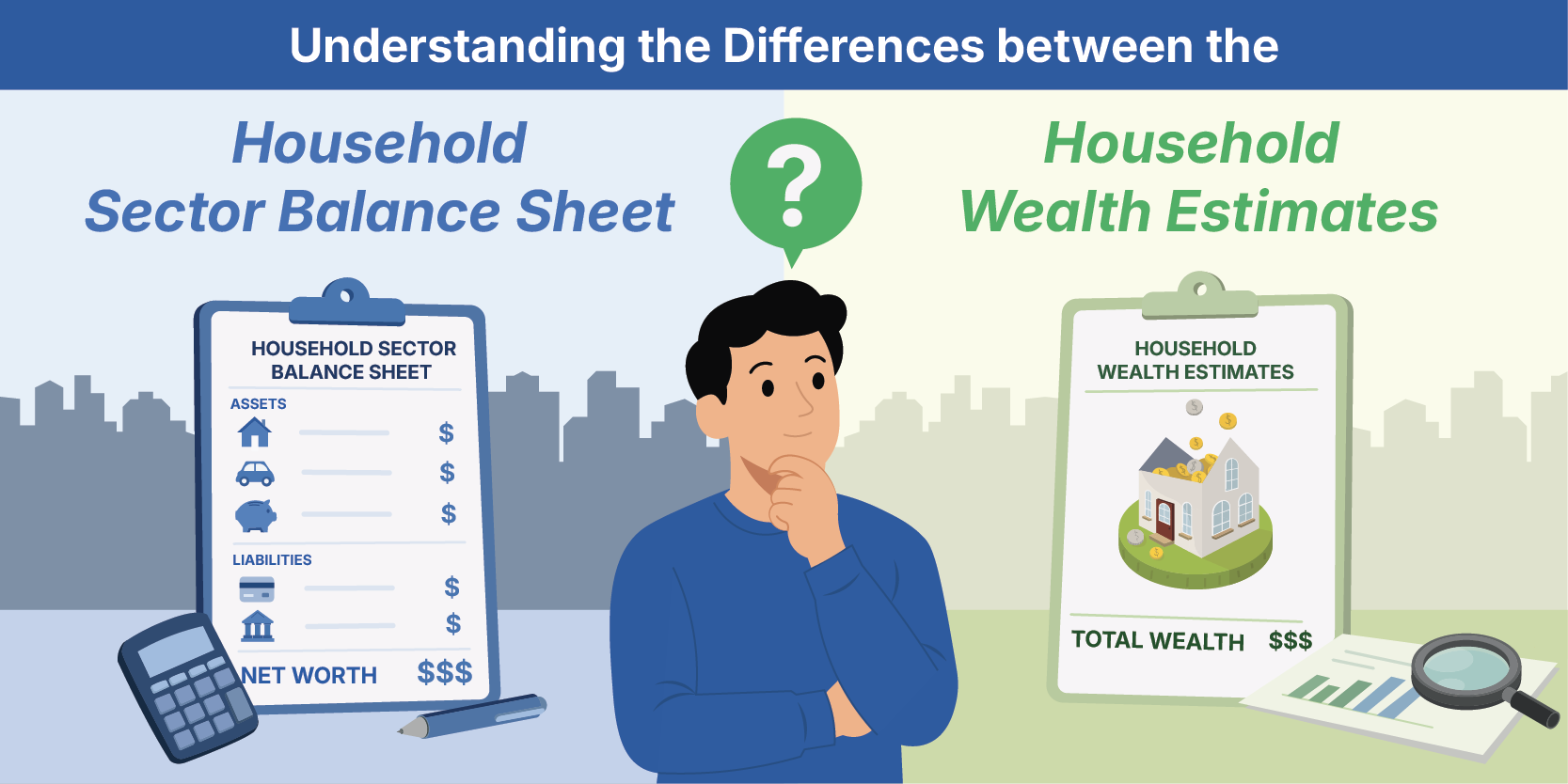
Understanding the Differences between the Household Sector Balance Sheet and Household Wealth Estimates
A graphical guide on the key distinctions between the Household Sector Balance Sheet and Household Wealth Estimates, covering purpose and methodology.
Personal Disposable Income and Personal Saving
A graphic guide to the concept on personal disposable income and personal saving.